
Posts Tagged ‘CRISPR’
CAT Contributes to New International Publication on Regulatory Advances in Gene Editing
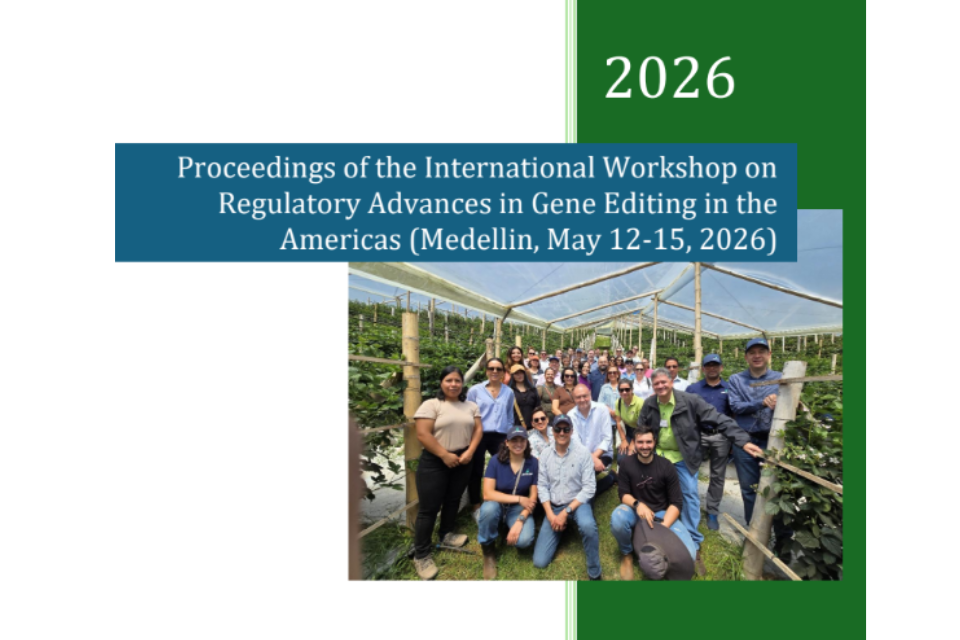
Exploring the evolving regulatory landscape for gene editing in aquaculture and food production The regulatory landscape for gene editing is evolving rapidly across the Americas and around the world. As governments develop new frameworks for evaluating the technology, collaboration between regulators, researchers, producers and technology developers is becoming increasingly important. The Proceedings of the International…
Read MoreInnovation Needs a Pathway

Over the past decade, one of the most important developments in genome editing has unfolded not only in the science itself, but in the way regulatory thinking has evolved alongside it. For much of that time, conversations about genome editing centered on technical possibility: could precise genetic changes be made, and could those changes deliver…
Read MoreAccelerating Genetic Gain: Why Germ Cell Transfer Is Capturing Industry Attention
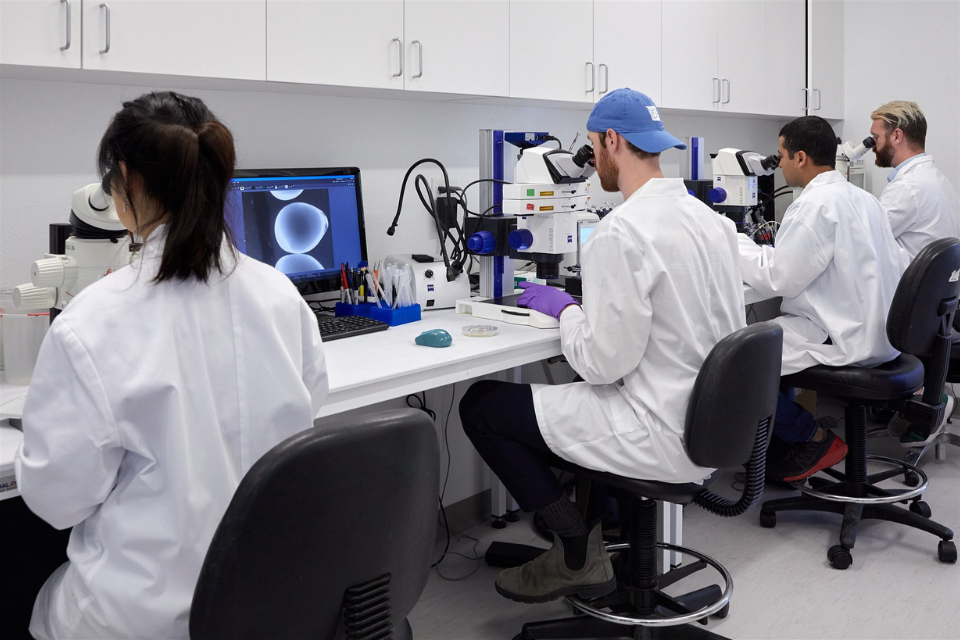
Aquaculture breeding programs have evolved far beyond a sole focus on growth. Producers now balance a much broader set of priorities, including animal welfare, climate resilience, production efficiency, disease resilience, and long-term sustainability. As genetic tools become more advanced, there is a greater opportunity to shape breeding strategies around diverse traits that deliver real commercial…
Read MoreCAT and C4U Bring CRISPR-Cas3 to Aquaculture

The CAT and C4U research project focuses on the application of CRISPR-Cas3 technology for genome editing in major commercial fish species to drive forward technological advancements within aquaculture the industry.
Read MoreOvercoming the ‘sterility paradox’

By using gene editing advancements, researchers at the Center for Aquaculture Technologies (CAT), figured out how to keep farmed fish from wasting energy on reproduction while still producing offspring.
Read More