
What is Genetic Overview
Genetic Overview (GO) analysis leverages genetic markers, such as single nucleotide polymorphisms (SNPs), to provide a comprehensive snapshot of a population’s genetic makeup. This includes insights into diversity, inbreeding, relatedness, and the overall genetic structure. The depth of analysis can vary, typically involving 150 to over 50,000 SNPs per animal, depending on specific management goals and available resources.

The Role of GO in Genetic Management
1. Foundation for New Breeding Programs
For producers looking to establish a selective breeding program, GO provides crucial baseline data. It helps identify the genetic strengths and weaknesses within a population, guiding the selection of traits and individuals that can contribute to enhanced productivity and sustainability.
2. Auditing Existing Breeding Programs
Producers with ongoing breeding efforts can use GO to assess the effectiveness of their current strategies. By comparing genetic data over time, they can see how their selections have impacted genetic diversity and adapt their approaches to mitigate inbreeding or enhance desirable traits.
3. Managing Genetic Success without Pedigree Breeding
Not all aquaculture operations engage in active selective breeding. However, understanding the genetic makeup of broodstock is vital to prevent genetic bottlenecks and ensure the health of future generations. GO analysis provides the necessary information to manage these populations intelligently, even without selection for specific traits. A GO analysis done at regular intervals for mass selection breeding programs can help control inbreeding and provide a map of the best individuals to cross in the next generation for maximum diversity.
4. Supporting Conservation Efforts
Conservation managers and non-breeding facilities also benefit from GO analysis. It enables them to monitor genetic diversity and relatedness within captive populations, crucial for maintaining the genetic health and viability of species, particularly those at risk of extinction.
Why GO Analysis Matters
The short answer is because the GO analysis can reveal a management strategy that you cannot see, but let’s expand on that. The phrase “the DNA does not lie” is often used because DNA reveals the unknown history of breeding lines, even when current owners are unaware. This genetic fingerprint can trace whether animals were wild-caught, purchased from another farm, or acquired from a scientific study, detailing their ancestral origins and current genetic makeup. Furthermore, GO analysis can uncover additional information beyond just these aspects.
The benefits of GO analysis extend beyond mere data collection; it empowers producers and managers with the ability to make informed decisions that affect the genetic health and productivity of their aquaculture operations. In an industry where the stakes of genetic health are high—impacting everything from disease resistance to growth rates—having a detailed genetic overview is not just useful; it’s indispensable.
By integrating GO into their management practices, aquaculture operations can ensure their activities are not only productive today but also sustainable for the future. This approach helps maintain a robust genetic pool, essential for the long-term viability of both commercial and conservation-focused management efforts.
-

Meet CAT at Aquaculture Europe 2026
September 28–October 1 | Booth 33 | Ljubljana, Slovenia The CAT team will be in Ljubljana to connect with producers, breeders and industry leaders shaping the future of aquaculture. Visit us at Booth 33 to discover how the right breeding strategy can turn genetic potential into measurable production value. From genetic data to…
-
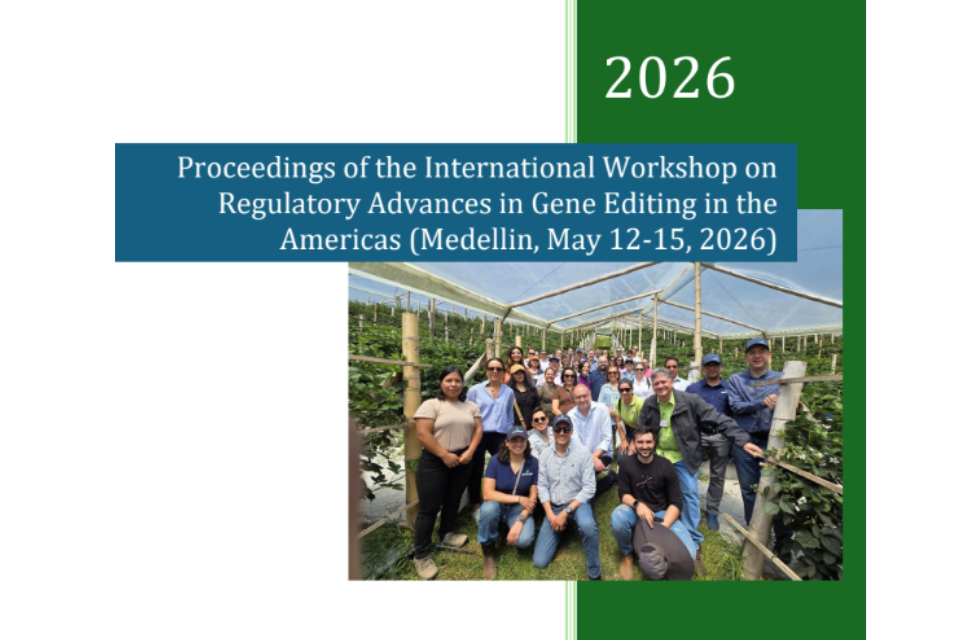
CAT Contributes to New International Publication on Regulatory Advances in Gene Editing
Exploring the evolving regulatory landscape for gene editing in aquaculture and food production The regulatory landscape for gene editing is evolving rapidly across the Americas and around the world. As governments develop new frameworks for evaluating the technology, collaboration between regulators, researchers, producers and technology developers is becoming increasingly important. The Proceedings of the International…
-

Center for Aquaculture Technologies Welcomes Thomas Delomas as New Quantitative Geneticist
Expanding our breeding expertise to support growing demand across North America At Center for Aquaculture Technologies (CAT), we’re seeing more aquaculture producers turn to genetics and genomics to improve the performance, resilience, and profitability of their breeding programs. As demand for genetic services grows across the US and Canada, we’re expanding our team. We’re…