
Posts by admin
Aquaculture is entering a new era: The rise of genetic innovation for enhanced productivity and sustainability

As the fastest-growing food production sector globally, aquaculture now supplies over half of the fish consumed worldwide—a feat made possible, in part, by remarkable advancements in genotyping, genomics, and advanced breeding. These innovations are at the core of breeding programs that balance environmental stewardship with economic growth. Breeding strategies in aquaculture have evolved significantly, utilizing…
Read MoreWhy aquaculture is fertile ground for sterile stocks

Sterility in aquaculture is more than just a breeding technique — it’s a powerful tool for advancing sustainability, animal welfare, and industry efficiency. Debbie Plouffe and Xavier Lauth recently shared with Rob Fletcher Senior editor at The Fish Site why genome editing stands out as the most efficient and effective solution for inducing sterility in…
Read MoreGenetics as a Key Tool to Reduce Larval Production Costs

Current Situation In today’s highly competitive global market, genetic improvement emerges as a crucial tool to enhance shrimp production efficiency and maintain market competitiveness, especially in larval production. The shrimp industry continues to face significant challenges due to the high supply and pressure on market prices. Countries in the Americas and Asia have increased shrimp…
Read MoreThe Center for Aquaculture Technologies Canada Changes Name to Onda, Reflecting Their Commitment to Sustainable Research

The company unveiled a new name, a new logo, and a newly appointed CEO dedicated to fostering a future where sustainable aquaculture defines market expectations.
Read MoreTools and techniques for advancing the genetics of emerging aquaculture species

Producers working with well-known species benefit from a choice of tools that keep animals thriving and production increasing. In contrast, growers of emerging species often struggle with limited resources and support when starting and expanding their operations. The Fish Site spoke to our breeding experts Carlos Pulgarin, Marcos De Donato, and Alejandro Gutierrez to discuss…
Read MoreWhy genome editing can help aquaculture enhance global food security

Genome edited fish are already being grown by commercial aquaculture operators in Japan, showcasing the potential of this innovative technology to boost environmental stewardship, productivity, and disease resistance. Xavier Lauth and John Buchanan recently shared with The Fish Site, their insights into how genome editing is set to transform the global aquaculture industry, highlighting advancements…
Read MoreCan genetic improvements help to ease economic pressure on the shrimp sector?

The Fish Site sat down with Simon Hill, CAT’s Chief Business Development Officer; Alejandro Gutierrez, Director of Genetic Services; and Marcos De Donato, Breeding Scientist, to explore how investing in the right genetics tools and strategies can empower shrimp farming companies to thrive amid today’s economic challenges. Read the full story here: https://thefishsite.com/articles/can-genetic-improvements-help-to-ease-economic-pressure-on-the-shrimp-sectorcenter-for-aquatic-technologies
Read MoreMicromanaging your microbiome in RAS
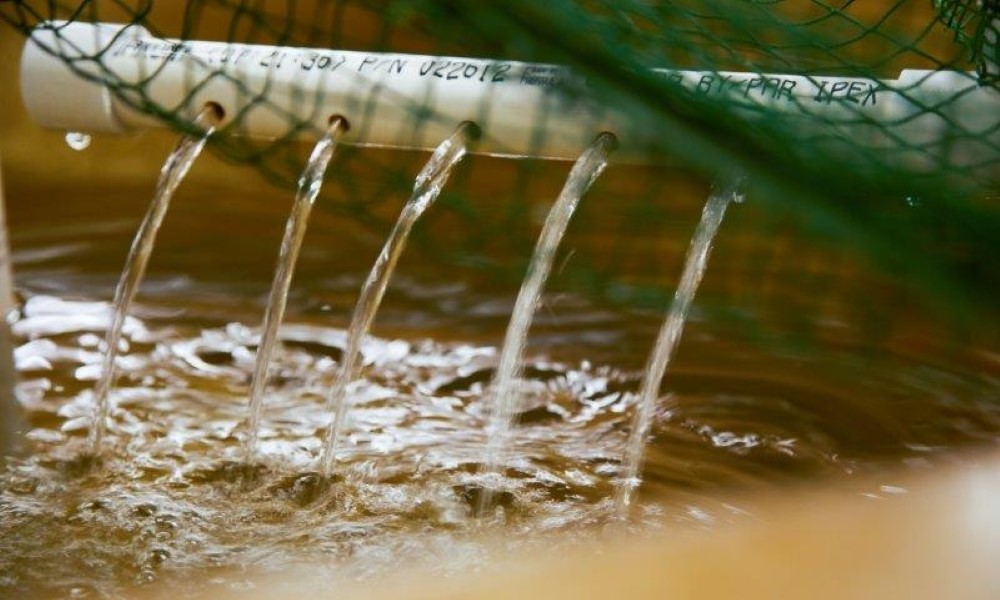
Microbiome sequencing is as an effective method for identifying and quantifying bacterial species in RAS systems, allowing to identify potential issues before they result in negative outcomes.
Read MoreCAT Invests in The Future of Genetics and Genome Editing

CAT opens a state-of-the-art research facility committed to advancing genome editing technologies for commercial aquaculture applications in finfish.
Read MoreThe Center for Aquaculture Technologies Canada (CATC) Receives both GLP and GMP Recognition
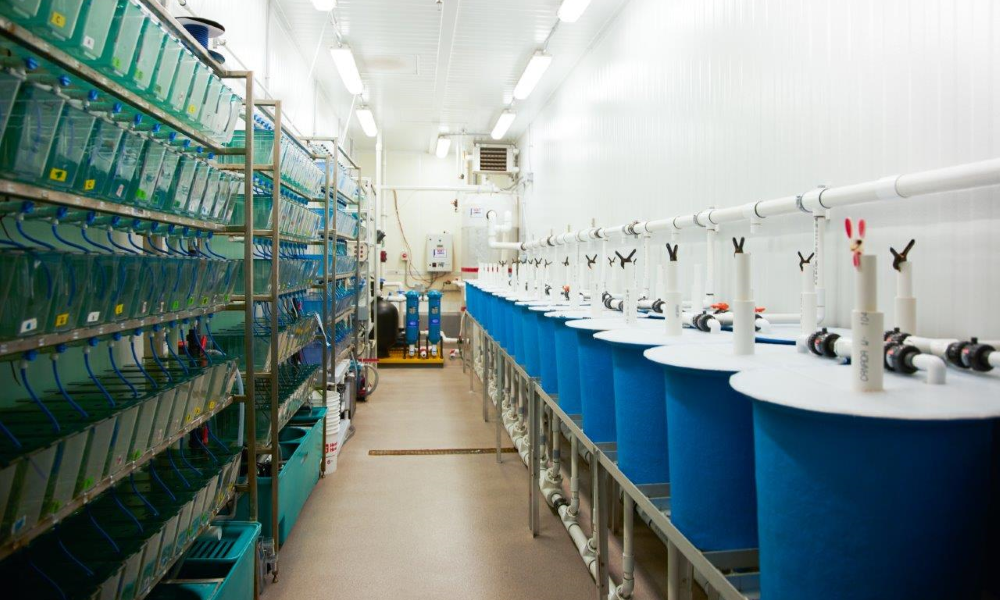
The Center for Aquaculture Technologies Canada (CATC) announces the expansion of their Canadian laboratory services receiving both the Organization for Economic Co-operation and Development (OECD) Good Laboratory Practice (GLP) recognition and EU Good Manufacturing Practice (GMP) certification effective immediately. This GLP recognition provides CATC the ability to conduct aquatic safety studies at both the Souris…
Read More