
Article
How Ecuador Became a Global Shrimp Success Story
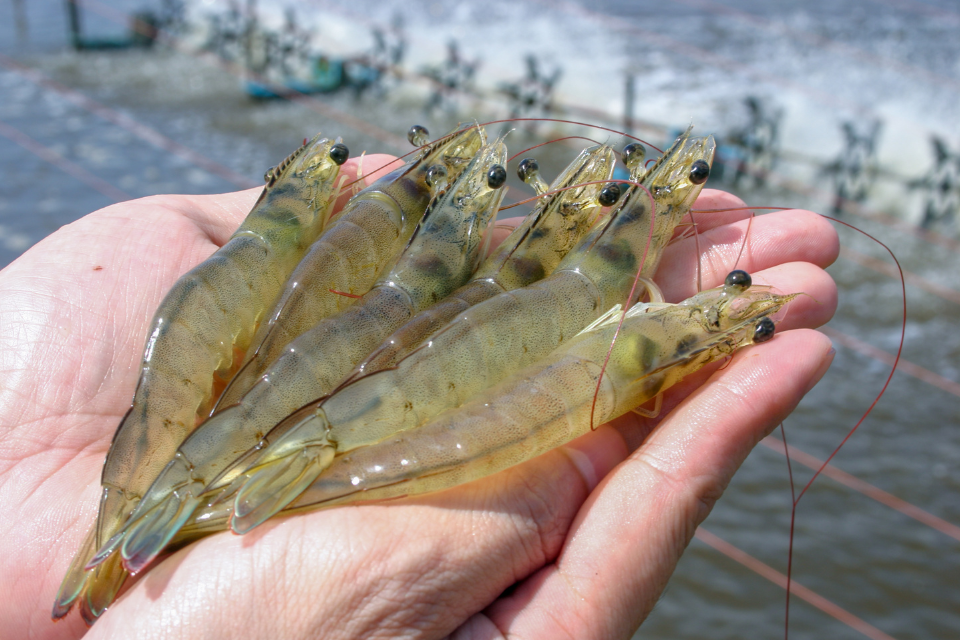
The South American country became the world’s leading shrimp exporter with surprisingly little expansion in farming area Ecuador’s shrimp industry offers a striking lesson in what productivity can do. In 2000, when the industry was reeling from white spot disease, the country exported just 38,905 metric tons of shrimp. By 2024, its exports had reached…
Read MoreSam May joins as the new Genetic Services Lead for the U.S. and Canada

CENTER FOR AQUACULTURE TECHNOLOGIES WELCOMES SAM MAY, THE NEW GENETIC SERVICES LEAD FOR THE US AND CANADA Reflecting its continued growth and commitment to innovative genetic improvement and strategic breeding program support, Center for Aquaculture Technologies (CAT) is pleased to welcome Samuel May as the new Genetic Services Lead for the US and Canada. Sam…
Read MoreWhy aquaculture is fertile ground for sterile stocks

Sterility in aquaculture is more than just a breeding technique — it’s a powerful tool for advancing sustainability, animal welfare, and industry efficiency. Debbie Plouffe and Xavier Lauth recently shared with Rob Fletcher Senior editor at The Fish Site why genome editing stands out as the most efficient and effective solution for inducing sterility in…
Read MoreGenetics as a Key Tool to Reduce Larval Production Costs

Current Situation In today’s highly competitive global market, genetic improvement emerges as a crucial tool to enhance shrimp production efficiency and maintain market competitiveness, especially in larval production. The shrimp industry continues to face significant challenges due to the high supply and pressure on market prices. Countries in the Americas and Asia have increased shrimp…
Read MoreGene-ius Management: The Power of Genetic Overview
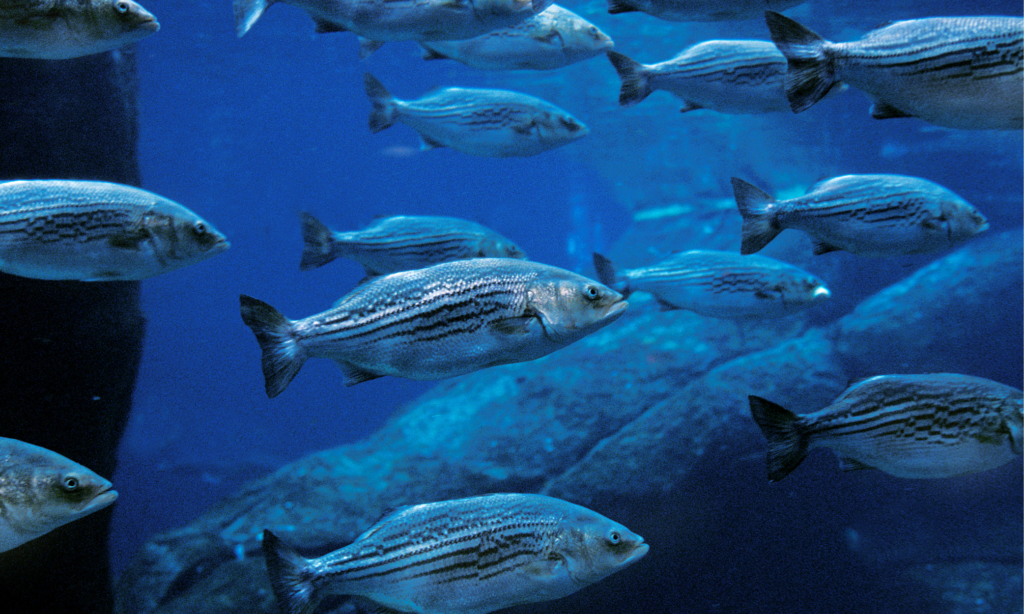
The Genetic Overview (Go) analysis uses data to reveal aquaculture management strategies you cannot see.
Read MoreStraining to See the Genetic Makeup of Your Largemouth Bass Population?

Bass Strain ID assay is instrumental in supporting fisheries management, breeding programs, conservation efforts, and studying disease susceptibility and adaptation in Largemouth bass.
Read MoreMicromanaging your microbiome in RAS
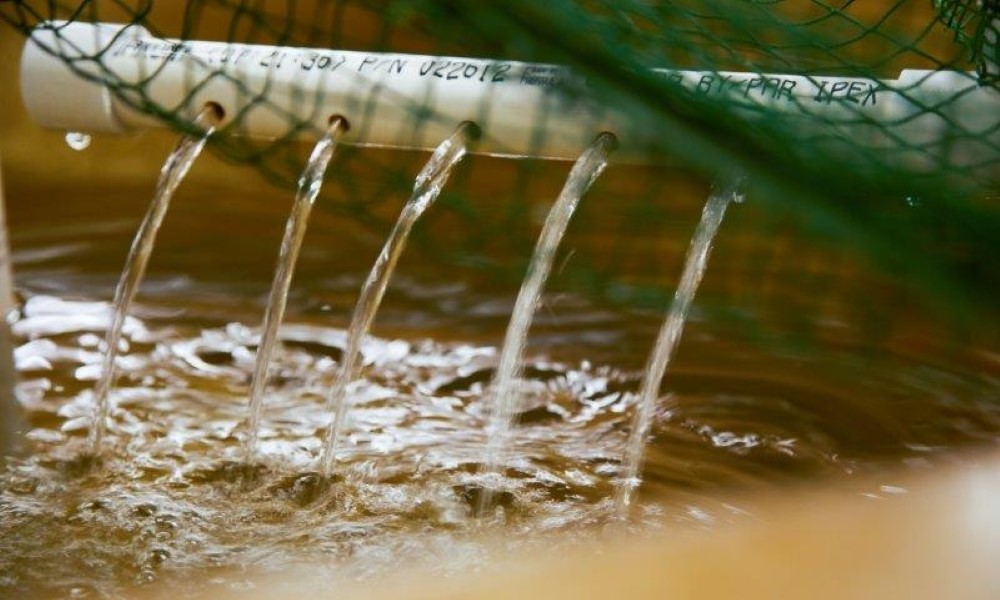
Microbiome sequencing is as an effective method for identifying and quantifying bacterial species in RAS systems, allowing to identify potential issues before they result in negative outcomes.
Read MoreWhat is your aquatic microbiome up to?

Continuous monitoring of your aquatic microbiome can help optimize your operations, leading to more sustainable and economically viable aquaculture practices.
Read MoreOvercoming the ‘sterility paradox’

By using gene editing advancements, researchers at the Center for Aquaculture Technologies (CAT), figured out how to keep farmed fish from wasting energy on reproduction while still producing offspring.
Read MoreWith tools like CRISPR, can genome editing deliver resilience for aquaculture?

This article explores global research into the use of the CRISPR tool for genome editing and genetic improvement in aquaculture.
Read More