
Posts Tagged ‘breeding’
CAT Contributes to New International Publication on Regulatory Advances in Gene Editing
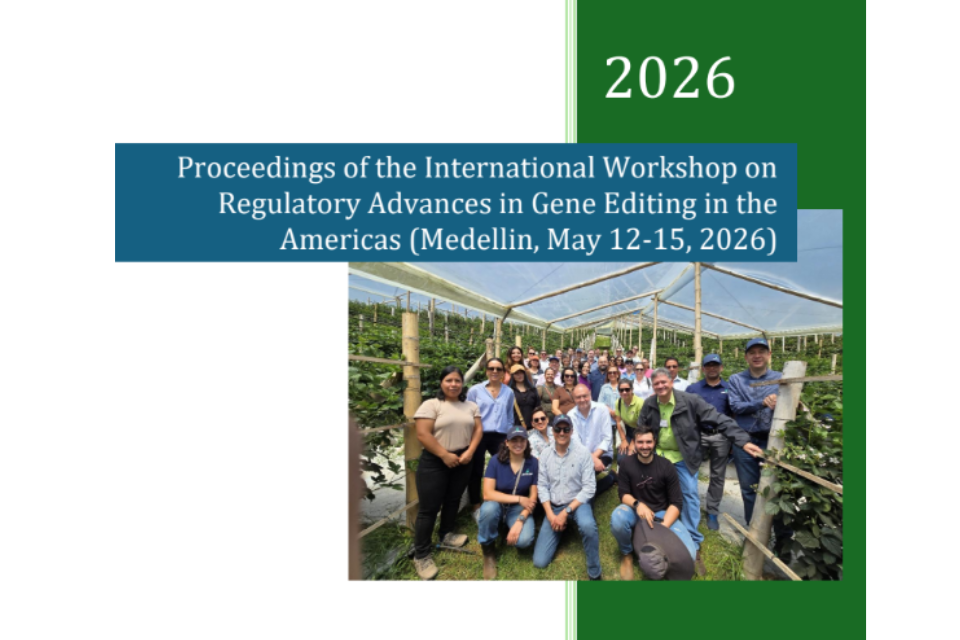
Exploring the evolving regulatory landscape for gene editing in aquaculture and food production The regulatory landscape for gene editing is evolving rapidly across the Americas and around the world. As governments develop new frameworks for evaluating the technology, collaboration between regulators, researchers, producers and technology developers is becoming increasingly important. The Proceedings of the International…
Read MoreCenter for Aquaculture Technologies Welcomes Thomas Delomas as New Quantitative Geneticist

Expanding our breeding expertise to support growing demand across North America At Center for Aquaculture Technologies (CAT), we’re seeing more aquaculture producers turn to genetics and genomics to improve the performance, resilience, and profitability of their breeding programs. As demand for genetic services grows across the US and Canada, we’re expanding our team. We’re…
Read MoreMaximize Genetic Gain: Choosing the Right Breeding Program

Selective breeding is one of the most powerful tools available to aquaculture producers, driving improvements in growth, survival, disease resistance, robustness, and overall production performance. However, because breeding programs differ in their goals, production environments, and operational constraints, there is no one-size-fits-all approach. Choosing the right breeding strategy requires balancing breeding objectives, available resources, operational…
Read MoreBuilding More Resilient Shrimp Populations: Watch Diana Lagos’ Expo Larva Presentation

What makes a successful breeding programme? As the world searches for sustainable ways to feed a growing population, the future does not lie only on land, but also in our waters. For many years, genetic improvement programs in aquaculture have focused heavily on growth. While growth remains an important driver of profitability, today’s producers face…
Read MoreGenome Editing: Driving Productivity at Commercial Scale

Genome editing is a practical, scalable tool that enables producers to unlock substantial gains in productivity, resilience, and sustainability – faster than ever before. Unlike conventional selective breeding, which builds incremental improvement over generations, genome editing introduces significant performance gains in a single generation. Genome editing strengthens established breeding programs, integrating seamlessly into commercial production…
Read MoreGenetic Innovation for Blue Food Security: Production and Resilience in Aquaculture

A 10-minute presentation by Debbie Plouffe As the world searches for sustainable ways to feed a growing population, the future does not lie only on land, but also in our waters. In this 10-minute talk recorded for Sea the Future 2026, Debbie Plouffe explores how genetic innovation is transforming aquaculture into a smarter, more resilient,…
Read MoreRevolutionising Aquaculture Through Genetics: The role of genetics in Aquaculture

Aquaculture has been evolving fast. Producers continue to be under growing pressure to deliver more – more efficiency, more resilience, more sustainability and often with fewer resources and tighter financial constraints. So how does genetics help? Genetics isn’t just about growing better animals. It’s about building aquaculture systems that are robust, adaptable, long-term, and commercially…
Read MoreSelecting for Success

In the rapidly evolving aquaculture industry, where seafood demand continues to rise, efficiency and sustainability are more critical than ever. Improved genetic improvement strategies and breeding program management have been a driving force behind global aquaculture growth. Thanks to selective breeding, aquaculture species can now grow faster, with greater disease resistance, require fewer resources, and,…
Read MoreAquaculture is entering a new era: The rise of genetic innovation for enhanced productivity and sustainability

As the fastest-growing food production sector globally, aquaculture now supplies over half of the fish consumed worldwide—a feat made possible, in part, by remarkable advancements in genotyping, genomics, and advanced breeding. These innovations are at the core of breeding programs that balance environmental stewardship with economic growth. Breeding strategies in aquaculture have evolved significantly, utilizing…
Read MoreTools and techniques for advancing the genetics of emerging aquaculture species

Producers working with well-known species benefit from a choice of tools that keep animals thriving and production increasing. In contrast, growers of emerging species often struggle with limited resources and support when starting and expanding their operations. The Fish Site spoke to our breeding experts Carlos Pulgarin, Marcos De Donato, and Alejandro Gutierrez to discuss…
Read More