
Posts Tagged ‘GENETIC IMPROVEMENT’
Disease is rewriting oyster breeding goals

From MSX in Atlantic Canada to POMS in Australia, rising mortality is changing what the industry needs from its oysters When disease outbreaks hit oyster-growing regions, the impact can be devastating. In Atlantic Canada, the emergence of MSX (Multinucleate Sphere X), caused by the parasite Haplosporidium nelsoni, led to severe mortality in affected areas in…
Read MoreAdriana Artiles Recognized for Contributions to Aquaculture Science and Genetics at LACQUA 2026
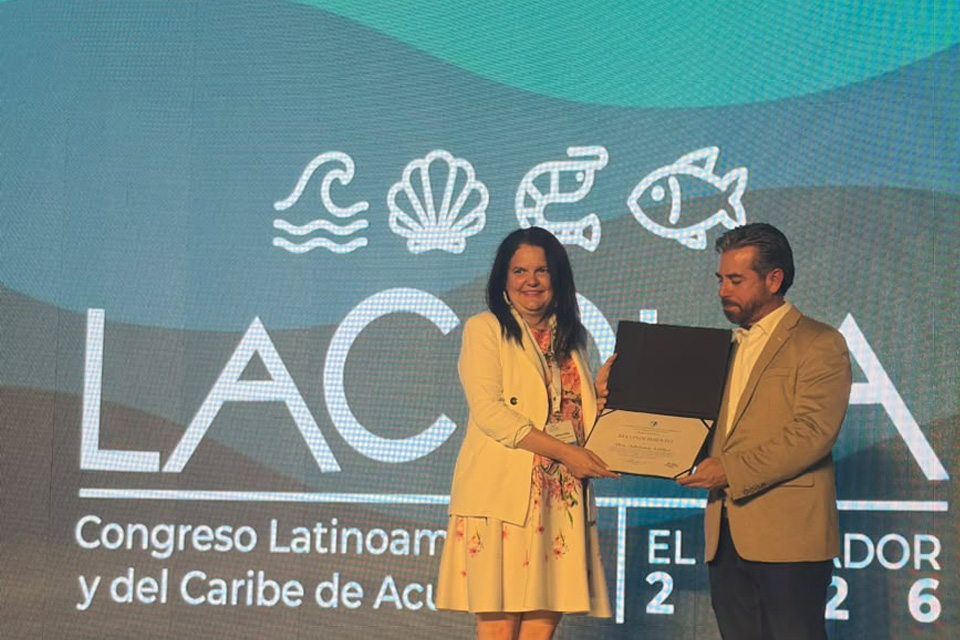
The Centre for Aquaculture Technologies (CAT) is proud to celebrate Dr Adriana Artiles, who received a special recognition from the Latin American and Caribbean Chapter of the World Aquaculture Society during LACQUA 2026 in San Salvador, El Salvador. The award recognizes Dr Artiles’s scientific career and contributions to genetic innovation, technological development, and the advancement…
Read MoreCanada’s Ocean Supercluster Announced the $1.1 million, Accelerating the Development of MSX-Resistant Oyster Seed Project
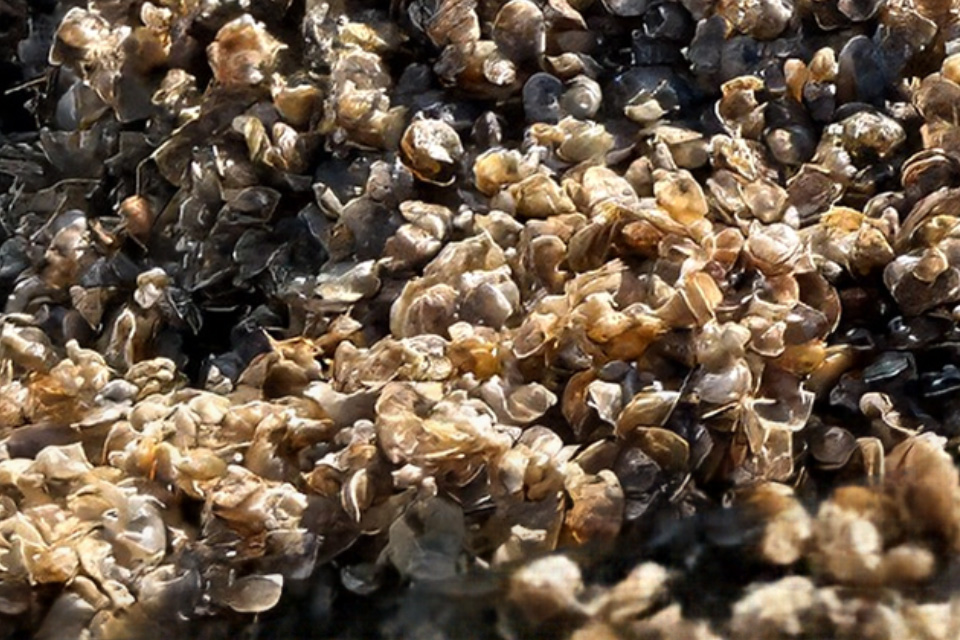
This project, led by Atlantic Aqua Farms, will develop oyster strains resistant to Multinucleate Sphere Unknown (MSX) disease, a significant threat to shellfish aquaculture that has caused devastating losses in oyster-growing regions, including mortality rates exceeding 95 percent in parts of western PEI, and spreading eastward. In parallel, it will equip the industry with new…
Read MoreMeet CAT at Aquaculture Europe 2026
September 28–October 1 | Booth 33 | Ljubljana, Slovenia The CAT team will be in Ljubljana to connect with producers, breeders and industry leaders shaping the future of aquaculture. Visit us at Booth 33 to discover how the right breeding strategy can turn genetic potential into measurable production value. From genetic data to…
Read MoreCAT Contributes to New International Publication on Regulatory Advances in Gene Editing
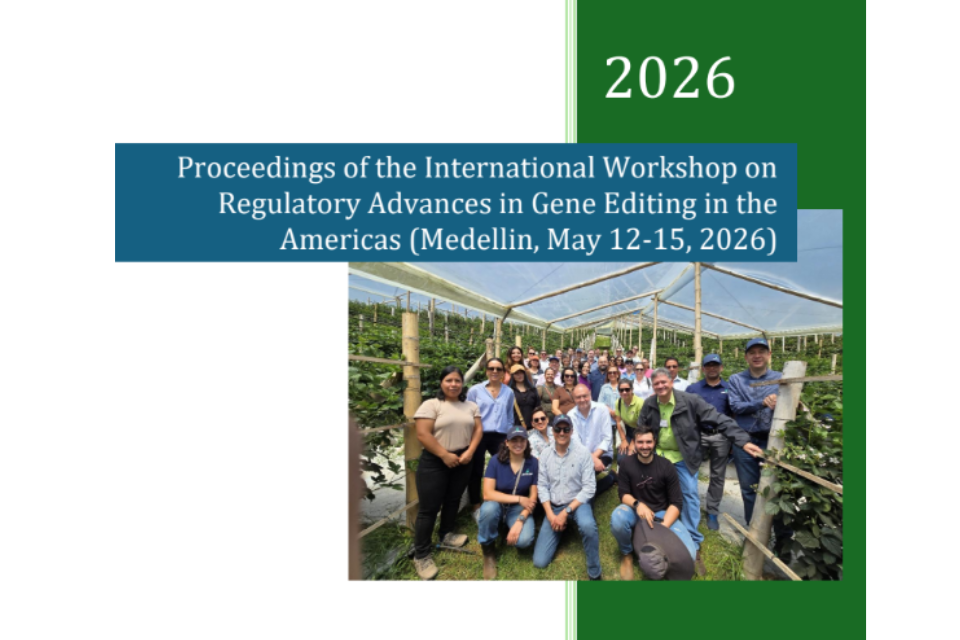
Exploring the evolving regulatory landscape for gene editing in aquaculture and food production The regulatory landscape for gene editing is evolving rapidly across the Americas and around the world. As governments develop new frameworks for evaluating the technology, collaboration between regulators, researchers, producers and technology developers is becoming increasingly important. The Proceedings of the International…
Read MoreCenter for Aquaculture Technologies Welcomes Thomas Delomas as New Quantitative Geneticist

Expanding our breeding expertise to support growing demand across North America At Center for Aquaculture Technologies (CAT), we’re seeing more aquaculture producers turn to genetics and genomics to improve the performance, resilience, and profitability of their breeding programs. As demand for genetic services grows across the US and Canada, we’re expanding our team. We’re…
Read MoreInnovation Needs a Pathway

Over the past decade, one of the most important developments in genome editing has unfolded not only in the science itself, but in the way regulatory thinking has evolved alongside it. For much of that time, conversations about genome editing centered on technical possibility: could precise genetic changes be made, and could those changes deliver…
Read MoreAccelerating Genetic Gain: Why Germ Cell Transfer Is Capturing Industry Attention
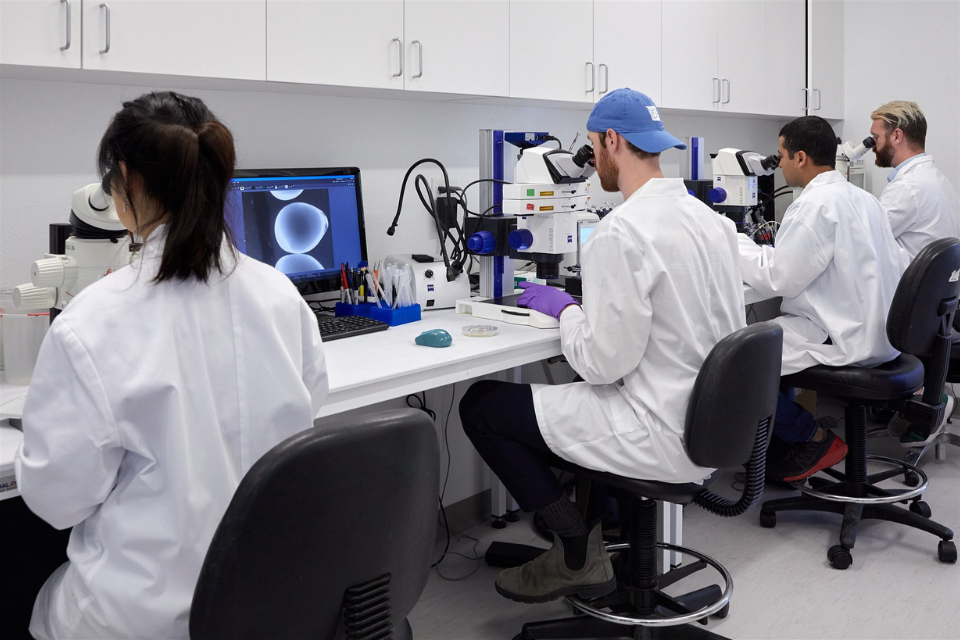
Aquaculture breeding programs have evolved far beyond a sole focus on growth. Producers now balance a much broader set of priorities, including animal welfare, climate resilience, production efficiency, disease resilience, and long-term sustainability. As genetic tools become more advanced, there is a greater opportunity to shape breeding strategies around diverse traits that deliver real commercial…
Read MoreMaximize Genetic Gain: Choosing the Right Breeding Program
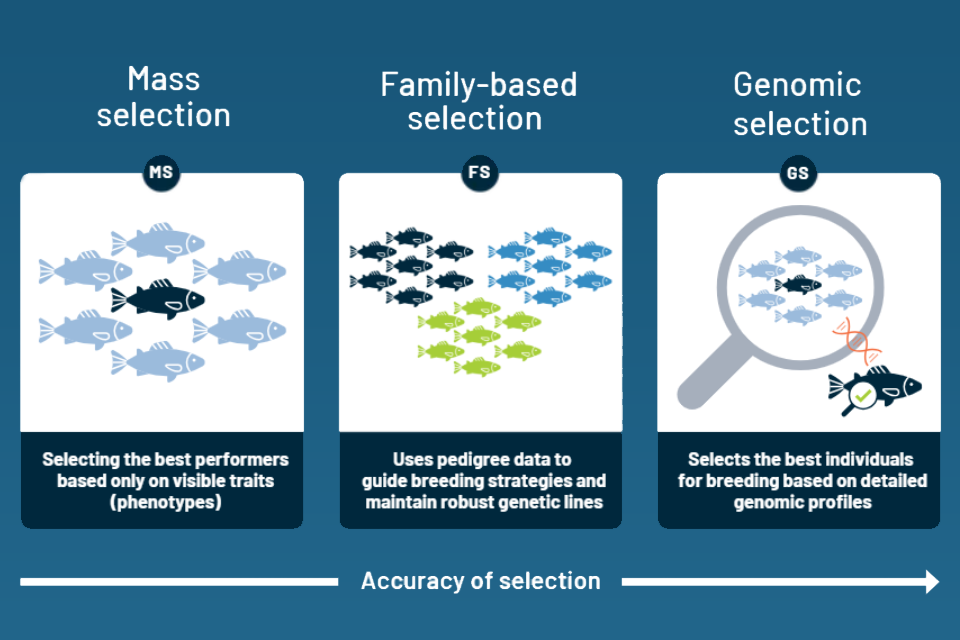
Selective breeding is one of the most powerful tools available to aquaculture producers, driving improvements in growth, survival, disease resistance, robustness, and overall production performance. However, because breeding programs differ in their goals, production environments, and operational constraints, there is no one-size-fits-all approach. Choosing the right breeding strategy requires balancing breeding objectives, available resources, operational…
Read MoreBuilding More Resilient Shrimp Populations: Watch Diana Lagos’ Expo Larva Presentation
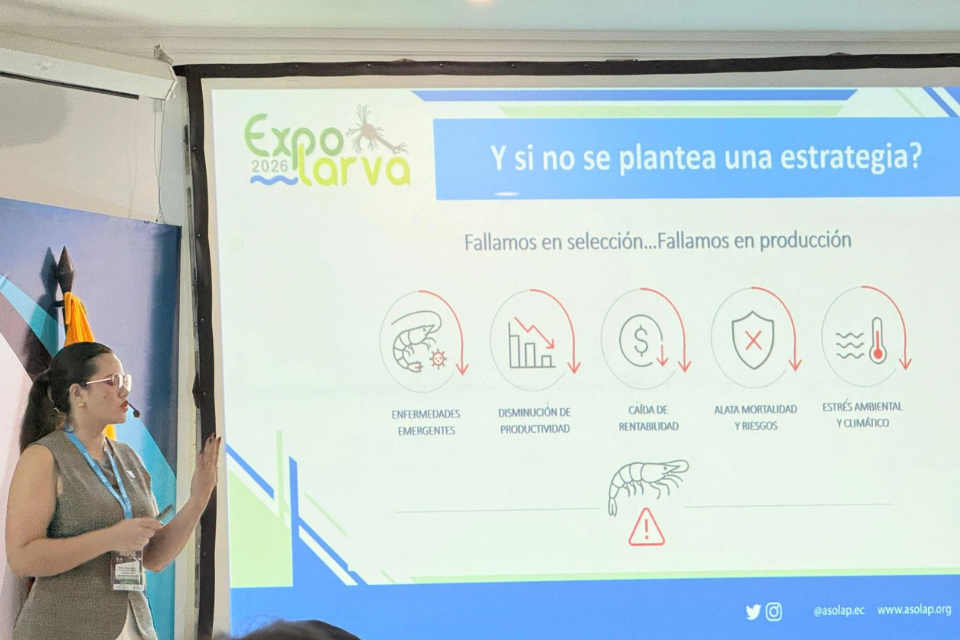
What makes a successful breeding programme? As the world searches for sustainable ways to feed a growing population, the future does not lie only on land, but also in our waters. For many years, genetic improvement programs in aquaculture have focused heavily on growth. While growth remains an important driver of profitability, today’s producers face…
Read More