
News
CAT Strengthens Focus on Client Partnerships with Ecuador and Global Support Roles

CAT (Center for Aquaculture Technologies) is expanding its client support services to further strengthen the company’s commitment to high-quality service and operational excellence. The Ecuadorian shrimp Industry has experienced tremendous growth over the last 5 years. With much of Ecuador’s success as a global shrimp leader been driven by continuous genetic improvement programs. CAT…
Read MoreGenetic Innovation for Blue Food Security: Production and Resilience in Aquaculture

A 10-minute presentation by Debbie Plouffe As the world searches for sustainable ways to feed a growing population, the future does not lie only on land, but also in our waters. In this 10-minute talk recorded for Sea the Future 2026, Debbie Plouffe explores how genetic innovation is transforming aquaculture into a smarter, more resilient,…
Read MoreRevolutionising Aquaculture Through Genetics: The role of genetics in Aquaculture

Aquaculture has been evolving fast. Producers continue to be under growing pressure to deliver more – more efficiency, more resilience, more sustainability and often with fewer resources and tighter financial constraints. So how does genetics help? Genetics isn’t just about growing better animals. It’s about building aquaculture systems that are robust, adaptable, long-term, and commercially…
Read MoreMeet CAT at Aquaculture America 2026

We’re excited to be back at Aquaculture America 2026! The CAT team will be sharing practical insights on genetics, breeding strategies, and our Next-Gen Breeding™ approach to building resilient aquaculture systems. Join us for our talks or stop by Booth 426 to learn how we help producers launch new breeding programs or strengthen existing ones,…
Read MoreReflecting on 2025: Milestones Achieved, Innovation Accelerated

As 2025 comes to a close, we celebrate another year of reaching milestones and accelerating genetic advancements for our clients through CAT’s Next-Gen Breeding™ approach. When asked to share his highlights, CEO Dr. John Buchanan reflects on a noteworthy year for the Center for Aquaculture Technologies (CAT) and offers a glimpse of what’s…
Read MoreCenter for Aquaculture Technologies Shares Breakthroughs in Genome Editing at the First International Meeting on Genome Editing in Aquaculture

The Center for Aquaculture Technologies (CAT) team joined leading scientists, industry experts, and policymakers in Chile at the end of November for the First International Meeting on Genome Editing in Aquaculture. On the opening day of the event, organized by EDIGEN and the University of Chile in Puerto Varas, participants heard presentations on advances in…
Read MoreThe Center of Aquaculture Technologies Partners with UMBC to Advance Sterility Solutions in Aquaculture

The Center of Aquaculture Technologies (CAT), a global leader in sustainable genetic innovation for aquaculture, today announced the signing of an exclusive licensing agreement with the University of Maryland, Baltimore County (UMBC) covering two patents related to the induction of sterility in finfish using Morpholinos. This strategic collaboration strengthens CAT’s intellectual property portfolio…
Read MoreThe Center for Aquaculture Technologies Appoints Matt Kramer as Senior Vice President of Global Sales and Marketing

Matt Kramer has joined the growing team at the Center for Aquaculture Technologies (CAT) as the Senior Vice President of Global Sales and Marketing. He will lead the company’s expanding global rollout of innovation in genetic improvement, particularly in commercial-scale genome editing for aquaculture. Matt is a seasoned commercial leader with more than two decades…
Read MoreImproving genomic selection and diversity with cryopreservation: A case study in Atlantic salmon
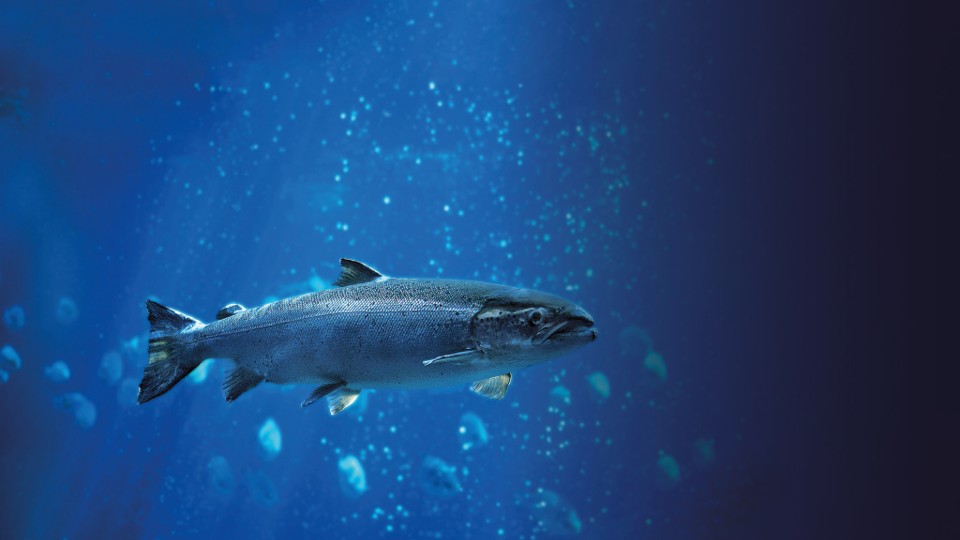
Sam May, our Genetic Services Lead – North America, was the Principal Investigator (PI) of the recently published study: Improving genomic selection and diversity with cryopreservation: A case study in Atlantic salmon Selective breeding is key to producing healthier, more resilient aquaculture populations, but maintaining genetic diversity is always a challenge. This study explores how…
Read MoreThe Center for Aquaculture Technologies (CAT) Launches New Low-Density Genotyping Panel for Black Tiger Shrimp

Advancing Practical Genetic Innovation in P. monodon Breeding As global investment in Black Tiger shrimp (Penaeus monodon) breeding continues, the Center for Aquaculture Technologies (CAT) introduces a new, value-driven genotyping solution designed for improved efficiency in selective breeding programs. Amid growing industry demand for sustainable production – supported by the recent research study on Brazilian…
Read More