
Breeding
Micromanaging your microbiome in RAS
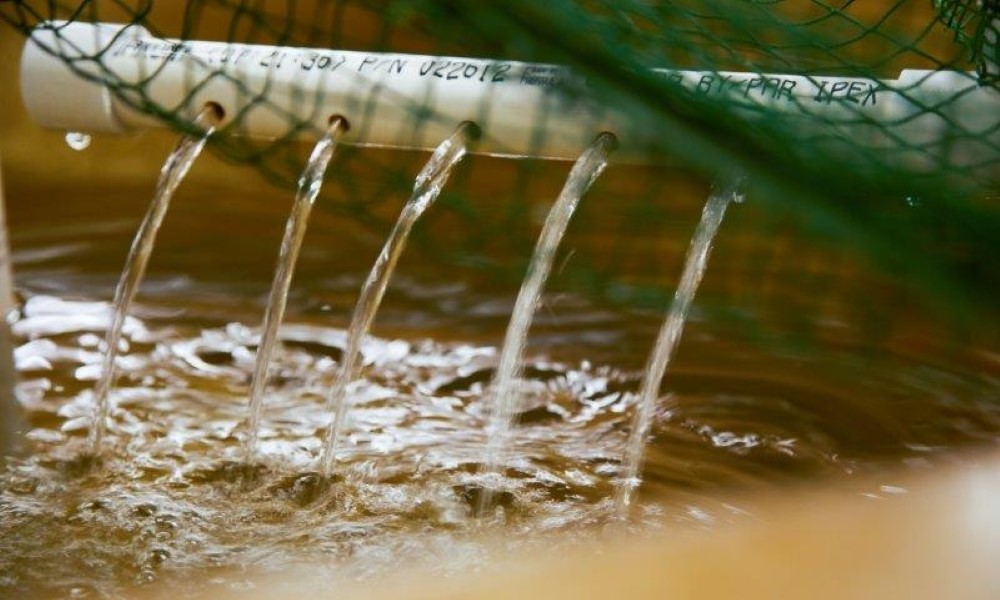
Microbiome sequencing is as an effective method for identifying and quantifying bacterial species in RAS systems, allowing to identify potential issues before they result in negative outcomes.
Read MoreCAT Invests in The Future of Genetics and Genome Editing

CAT opens a state-of-the-art research facility committed to advancing genome editing technologies for commercial aquaculture applications in finfish.
Read MoreWhat is your aquatic microbiome up to?

Continuous monitoring of your aquatic microbiome can help optimize your operations, leading to more sustainable and economically viable aquaculture practices.
Read MoreCAT Moves to Expand Their Breeding Team Expertise

Join us in welcoming Dr. Panagiotis (Panos) Kokkinias to the CAT Breeding Team!
Panos brings 20 years of multi-species, academic and private-sector experience, as well as a Ph. D. in Aquaculture Genetics from the Roslin Institute (University of Edinburg) to the team.
Icy Waters and CAT partner to accelerate genetic improvement in Arctic Charr
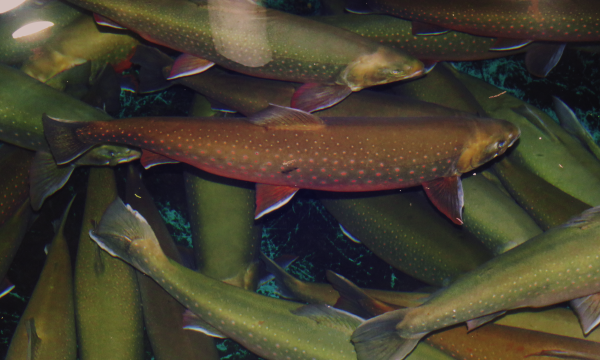
Icy Waters and CAT announced the partnership on a unique breeding program to accelerate genetic improvement in Arctic Charr.
Read MoreA renowned scientist joins CAT’s world-class genetics team

The Center for Aquaculture Technologies (CAT), a leader in aquatic animal genetics, welcomes Dr. Marcos De Donato as a new Breeding Scientist.
Read MoreWith tools like CRISPR, can genome editing deliver resilience for aquaculture?

This article explores global research into the use of the CRISPR tool for genome editing and genetic improvement in aquaculture.
Read MoreGenetic diversity and growth-related traits in Penaeus vannamei …

Learn how the application of genotyping tools and analysis of traits helped assess the genetic diversity of six commercial Penaeus vannamei stocks in Cuba.
Read MoreEvaluation of a commercial shrimp breeding program…
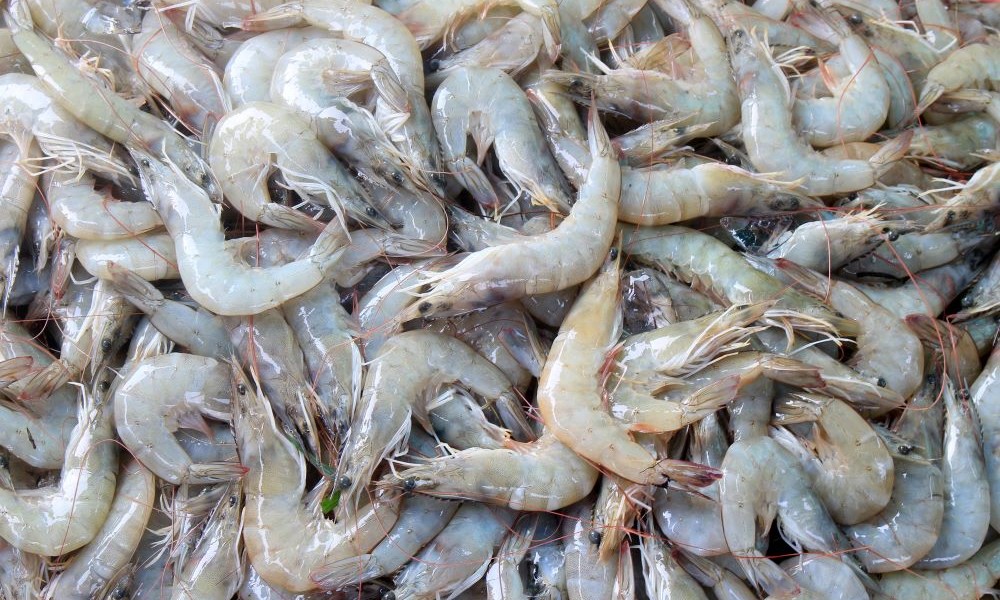
CAT Breeding Scientist, Jeff Prochaska, explores commercial shrimp breeding programs using laboratory viral challenges to build genetic resistance against three primary pathogens.
Read MoreHigh demand for genetic improvement programs drives the expansion of the breeding team

CAT is responding to increasing demand for genetic improvement programs for aquaculture by adding leading scientists to their breeding team.
Read More